It started with a nudge from Tim Duffy, K3LR. If you don’t know the callsign, Tim is the force behind one of the most well-known multi-multi contest stations in the world. I had attended Field Day with the Edmond Amateur Radio Society and a few other events where Tim was present or the speaker, and his advice was simple: buy a HF radio, make a wire antenna, and get on the air!
So that’s what I did. It was 2013, and I had just upgraded from Technician straight through General to Extra — partly because I was eager to be on the air for the ARRL Centennial celebration coming up in 2014, and partly because once I started studying I couldn’t stop.
I bought an Icom IC-7000, an MFJ tuner, and an Alinco switching power supply. I strung up a wire Inverted-V antenna and I was on HF. I chose a mobile rig deliberately — it gave me the flexibility to operate from home, a park, or a campsite while I figured out what I really wanted to do in the hobby.
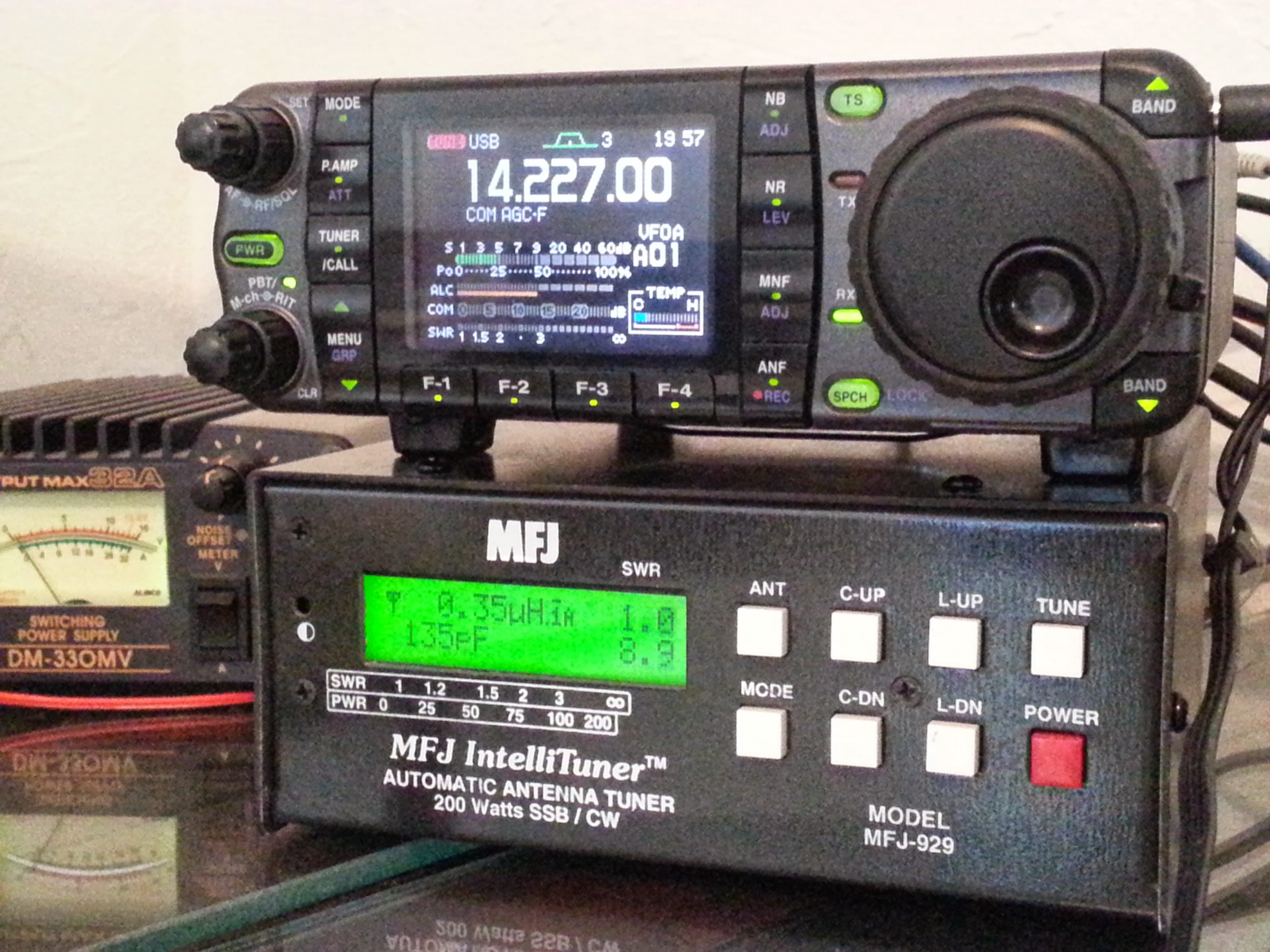
It didn’t take long to find out. I got hooked on HF DX contests almost immediately. Working stations around the world on that little IC-7000 was addicting, and within a relatively short time I had earned my first DXCC — 100 unique countries confirmed in the logbook, mixed bands and modes. I followed that up with a Worked All States award. I had the HF bug, no question about it.
Contesting on the IC-7000 also taught me the importance of receiver filters. When you’re sitting on a busy contest frequency with stations stacked on top of each other, those dedicated filter buttons and the ability to adjust bandwidth and sharpness aren’t luxuries — they’re survival tools.
The ARRL Centennial and W1AW/5

The centennial celebration was a very fun year and I even got to operate a W1AW/5. Being on the ‘other side’ of the DX was amazing!
Then came 2014 and the ARRL Centennial Celebration. As part of the year-long Centennial QSO Party, W1AW went portable from every U.S. state and most territories, moving to a new location each week. The Edmond Amateur Radio Society jumped at the chance to host W1AW/5 for a week, and I signed up for as many operating slots as I could get.
Being on the other side of a pileup — hearing station after station calling you — was something else entirely. Sitting down at the mic as W1AW/5, knowing that operators around the world were chasing that contact, gave me a whole new appreciation for what DX stations experience. By the end of the year, the Centennial QSO Party had logged over 3.4 million contacts. It was a tremendous amount of fun and pride to operate as W1AW/5, and it remains one of my favorite memories in the hobby.
Upgrading the Shack
Eventually I outgrew the IC-7000 and upgraded to an IC-9100. It gave me HF and VHF in one box, plus the ability to work satellites beyond the FM-only birds I was doing with dual handhelds, one for transmit and one for receive! The integrated USB port and sound card for digital modes was a welcome improvement too — no more cobbling together audio interfaces.
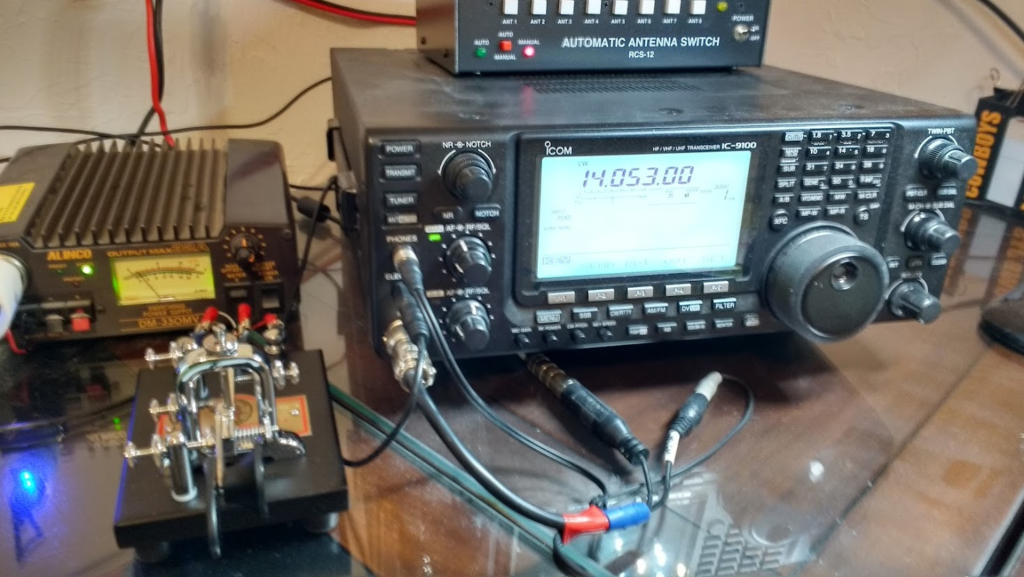
I ran the IC-9100 for several years before upgrading the HF side to an IC-7610, while keeping the IC-9100 for VHF. Eventually I picked up an IC-9700 dedicated to VHF, UHF, and SHF, and that’s when my VHF rover adventures really took off.
Looking Back
What I appreciate most about that IC-7000 is that it got me on the air. It wasn’t the fanciest rig, but it was the one that gave me my first DXCC, my first WAS, and my first taste of a real pileup. Tim was right — the best thing you can do is just get on the air and start making contacts. The rest follows naturally.
Tim was a great mentor and when he moved out of Oklahoma to a new job with DX Engineering he was missed by everyone here.